
Biography of OSHO | Early Life and Education - Teachings and Philosophy - Later Years and Passing of OSHO

Biography of OSHO

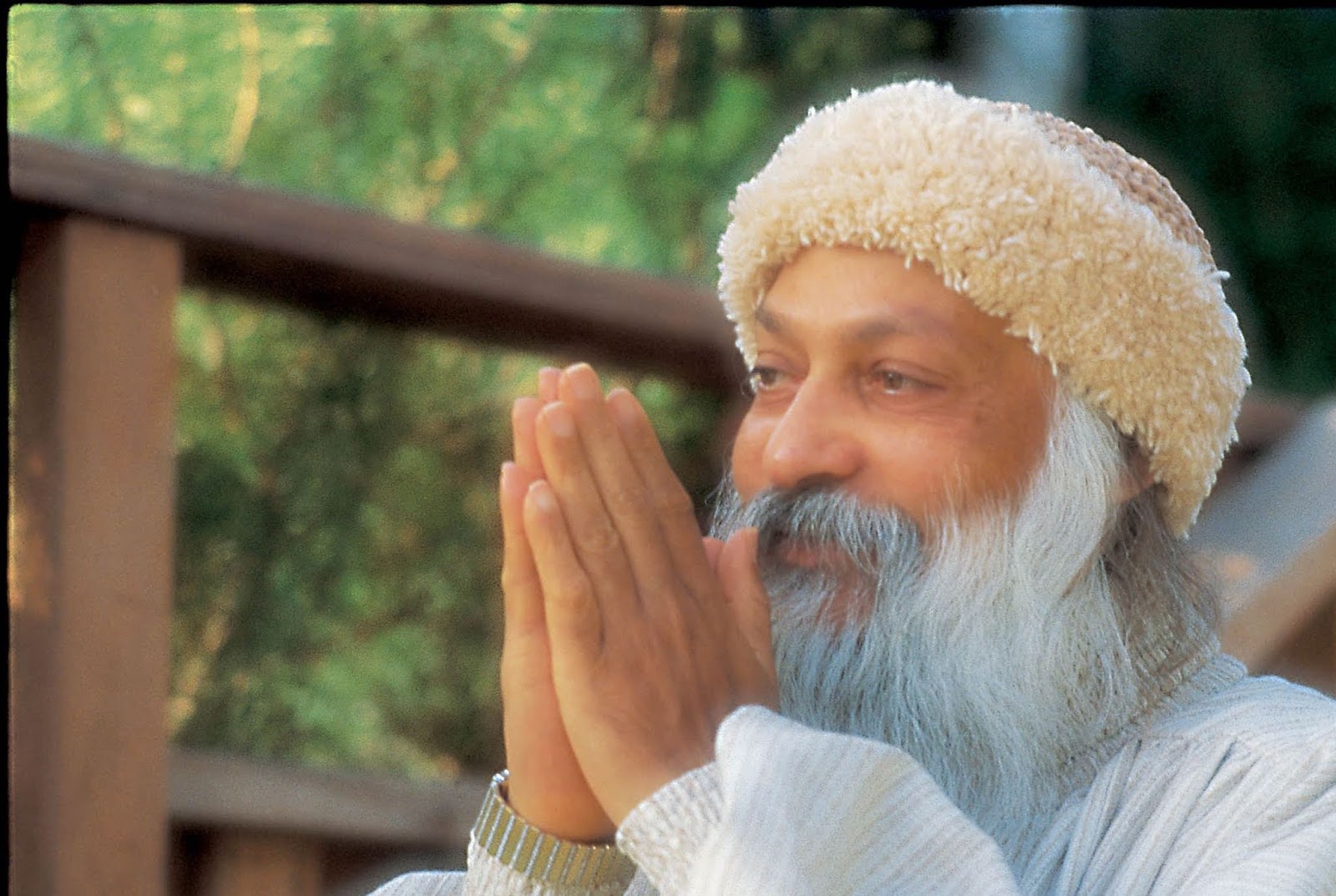
Osho, originally named Rajneesh Chandra Mohan Jain, and later known as Bhagwan Shree Rajneesh and finally as Osho, was a spiritual teacher, mystic, and the founder of the Rajneesh movement, which gained international prominence in the 1970s and 1980s. Born on December 11, 1931, in Kuchwada, a small village in central India, he became one of the most controversial and widely followed spiritual leaders of the 20th century.
Biography of OSHO
Biography of OSHO

Early Life and Education:

Osho was raised in a Jain family. He earned a Bachelor's degree in philosophy from D.N. Jain College in Jabalpur and later received a Master's degree in philosophy from the University of Saugar. He taught philosophy at the University of Jabalpur for a short period before becoming a spiritual teacher.


OSHO's Teachings and Philosophy:

Osho's teachings, often referred to as the Rajneesh movement, blended elements of Eastern philosophies, particularly aspects of Zen Buddhism, Sufism, Hinduism, and Taoism, with insights from Western psychology and philosophy. He emphasized the importance of meditation, self-awareness, and living in the present moment. Osho's discourses and teachings covered a wide range of topics, including love, meditation, sexuality, creativity, and human consciousness.

Commune in Oregon:

In the 1980s, Osho and his followers established a large intentional community called Rajneeshpuram in Oregon, USA. The commune faced various legal and social issues, leading to Osho's arrest and eventual deportation from the United States.

Later Years and Passing of OSHO:

After leaving the United States, Osho returned to India and settled in Pune, where he continued to teach and lead meditation camps. He also initiated a controversial therapy called the Dynamic Meditation, which gained popularity among his followers.

Osho passed away on January 19, 1990, at the age of 58, in Pune, India.

OSHO's Legacy and Controversies:

Osho's teachings and the Rajneesh movement continue to influence spiritual seekers worldwide. His ashram in Pune, now known as the OSHO International Meditation Resort, attracts visitors from around the globe.

Despite his influence and the positive impact he had on many of his followers, Osho's life was marred by controversies, including legal issues, allegations of financial misconduct, and criticism from religious and political groups. His teachings remain polarizing, with passionate supporters and vocal critics.

Osho's books and recorded discourses are widely available, and his teachings on meditation, mindfulness, and self-discovery continue to inspire people seeking spiritual growth and inner transformation.

Comments

Popular posts from this blog

Biography of Manohar Joshi

Biography of Manohar Joshi: Manohar Gajanan Joshi is an Indian politician who has played a significant role in Maharashtra state politics. Born on December 2, 1937, in a middle-class family in a village called Ganeshpeth in Ratnagiri district, Maharashtra, Joshi's journey into politics was marked by his association with the Shiv Sena, a right-wing regional political party in India. Joshi's political career began in the late 1960s when he joined the Shiv Sena, which was then led by its founder, Bal Thackeray. He quickly rose through the ranks of the party due to his organizational skills, dedication, and ideological alignment with the party's principles, which advocated for the interests of the Marathi-speaking population of Maharashtra. In 1972, Manohar Joshi won his first election to the Brihanmumbai Municipal Corporation (BMC), marking the beginning of his electoral career. He served as a corporator in the BMC and later became the Mayor of Mumbai in 1976. Joshi's tenu...

Professor Cheiro Prophecies about India | 5 predictions Professor Kiro - Kiro made these amazing predictions for India

Professor Cheiro Prophecies:  Here is Kiro made these amazing predictions for India: Professor Kiro was born in November 1866 in England. At the age of 17, Kiro came to Mumbai and met astrologer Vednarayan Joshi. With his advice, he will reach the Himalayas, Kashmir, Ladakh and Varanasi. From here, he studied astrology extensively. Kiro made many predictions in his life, which we are giving you here. Cheiro, whose real name was William John Warner, was a prominent Irish astrologer and palmist who gained fame in the late 19th and early 20th centuries. He was known for his accurate predictions and was consulted by various prominent figures of his time, including Mark Twain, Oscar Wilde, and Thomas Edison. Cheiro also made some predictions related to India. Parada Kahanee One of his notable predictions about India was made in his book "Cheiro's World Predictions," published in 1926. In this book, he wrote about the possibility of India gaining independence from British...

Biography of Abbie Hoffman | Early Life and Political Activism - Later Years and Personal Life - Legacy of Abbie Hoffman

Biography of Abbie Hoffman: Abbie Hoffman (November 30, 1936 – April 12, 1989) was an American political and social activist known for his involvement in the counterculture and anti-war movements of the 1960s and 1970s. He was a key figure in the Youth International Party (Yippies) and was known for his theatrical and often humorous protests.  Here is a brief biography of Abbie Hoffman: Early Life of Abbie Hoffman: 1. Birth: Abbie Hoffman was born on November 30, 1936, in Worcester, Massachusetts, USA. 2. Education: He attended Brandeis University, where he earned a degree in psychology in 1959. Parada Kahanee Political Activism: 1. Civil Rights Movement: Hoffman began his activism by participating in the civil rights movement during the early 1960s. 2. Youth International Party (Yippies): In 1967, Hoffman, along with Jerry Rubin and others, co-founded the Yippies, a countercultural and anti-authoritarian political party known for its unconventional and theatrical protes...